The television landscape is transforming faster than ever. For decades, cable TV ruled UK and global households with live broadcasts, sports, and entertainment packages. IPTV vs Cable TV is emerging as a strong contender, offering more flexibility and on-demand access. Both options have their pros and cons. But when comparing reliability and affordability, which one truly comes out on top?
What Is Cable TV?
Cable TV is a traditional broadcasting service delivered via coaxial or fibre-optic cables. Subscribers pay for bundled channels, often with long-term contracts. Its biggest strengths are stability, widespread availability, and exclusive partnerships with broadcasters.
Cable TV packages often include:
-
Local and international channels
-
Sports bundles
-
Premium movie networks
-
Pay-per-view options
-
Optional DVR recording services
Despite being a reliable choice, cable subscriptions have become increasingly expensive, pushing households to seek alternatives.
What Is IPTV?
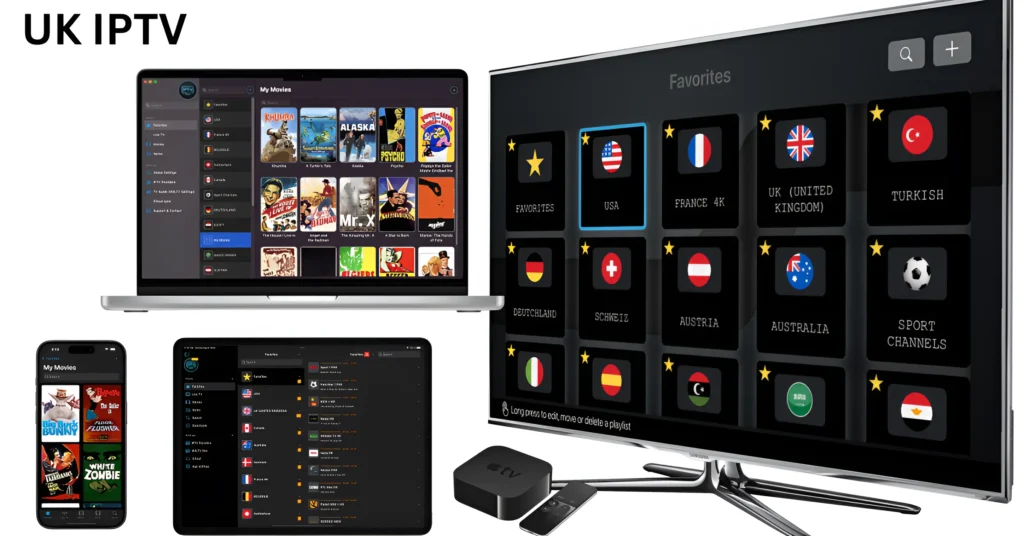
IPTV UK (Internet Protocol Television) uses broadband internet to deliver TV channels, on-demand movies, and live broadcasts. Instead of traditional cables, IPTV smarters pro streams content through servers directly to devices like:
-
Smart TVs
-
Amazon Firestick
-
Android TV boxes
-
Tablets and smartphones
-
PCs and laptops
IPTV services often provide:
-
Live TV streaming
-
Video on Demand (VOD) libraries
-
Catch-up and time-shifted content
-
Multi-screen viewing
-
Support for HD and 4K
It is a more flexible and modern way to access TV, as long as you have reliable internet.
Affordability: IPTV vs Cable TV
Cable TV Costs
Cable TV pricing has steadily increased. Many providers lock customers into 12- or 24-month contracts, with rising fees after promotional periods. Extra costs for sports, HD/4K channels, and DVR services make it even pricier.
On average, UK households spend £40–£70 per month on cable TV packages. In the US, monthly bills can exceed $100 when premium bundles are added.
IPTV Costs
IPTV subscriptions are often cheaper. Licensed IPTV platforms like NOW TV, Sky Go, or BT Sport apps range from £10–£30 per month depending on the package. Global IPTV services sometimes offer hundreds of channels at even lower prices.
In most cases, IPTV subscription cost 30–60% less than comparable cable packages. There are no installation fees, and users can cancel monthly without penalties.
Winner on Affordability: IPTV
British iptv is generally more budget-friendly, especially for families who want flexible subscriptions without binding contracts.
Reliability: IPTV vs Cable TV
Cable TV Reliability
Cable TV is highly reliable because it does not depend on internet connections. Even during peak usage hours, streams remain stable. Weather issues rarely impact cable unless outdoor infrastructure is damaged.
However, outages due to local faults or maintenance still occur. And once a provider has technical issues, the customer must wait for resolution.
IPTV Reliability
IPTV smarters depends entirely on broadband speed and stability. With fibre internet widely available in the UK, IPTV reliability has improved significantly. Still, users may face buffering, lag, or pixelation during peak hours if bandwidth is limited.
Households with high-speed fibre (50 Mbps or more) usually enjoy smooth IPTV experiences. However, in rural areas or homes with weak Wi-Fi, best iptv reliability may suffer compared to cable.
Winner on Reliability: Cable TV
Cable TV edges out united kingdom iptv in terms of consistency, especially for areas with poor internet infrastructure.
Content Variety and Flexibility
Cable TV
Cable TV provides large channel bundles with strong local coverage and exclusive partnerships. However, flexibility is limited. Subscribers often pay for hundreds of channels but watch only a fraction of them.
IPTV
Best iptv uk offers far greater flexibility. You can choose:
-
Specific subscription packages
-
On-demand movies
-
International channels
-
Kids-friendly bundles
-
Multi-device streaming
Most IPTV services allow users to pause, rewind, and record easily. Catch-up TV features make it easier to watch missed shows.
Winner on Content Variety: IPTV
Device Compatibility
-
Cable TV requires a set-top box connected to your television. Additional TVs in the household need extra boxes, which means extra monthly fees.
-
IPTV works across multiple devices simultaneously. Families can watch different channels on smart TVs, laptops, tablets, and phones at the same time without additional boxes.
Winner: IPTV
Sports and Entertainment
Sports remain a decisive factor for many households.
-
Cable TV often has exclusive broadcasting rights for live matches, particularly for Premier League, Champions League, and other major leagues. Sports lovers may find cable indispensable.
-
IPTV has caught up, offering sports packages via licensed apps like BT Sport and NOW TV. Some global iptv providers also provide international sports channels, often at a fraction of the cost.
Winner: Tie
Cable still has an edge with exclusive rights, but smart iptv offers broader flexibility and affordability.
User Experience
Cable TV
-
Easy plug-and-play setup
-
Consistent EPG (Electronic Programme Guide)
-
Limited personalization
-
Long channel lists, sometimes overwhelming
IPTV
-
Interactive EPG with better search functions
-
On-demand streaming at your convenience
-
Multi-profile support
-
Cloud DVR for recording and playback
-
Intuitive mobile apps
Setup and Installation
Cable TV
Requires installation by technicians, including cables, set-top boxes, and sometimes contracts for 12+ months. Installation may take several days and involve service charges.
IPTV
Simple installation via apps or APK downloads. No hardware is required beyond a streaming device and broadband. Setup takes less than 10 minutes in most cases.
Contracts and Commitment
-
Cable TV: Typically requires long-term contracts, with penalties for cancellation.
-
IPTV: Usually available with rolling monthly plans. Users can cancel anytime.
Legal Considerations
Both cable TV and licensed IPTV services are fully legal. However, users should be cautious: some third-party smarters iptv providers stream content illegally without rights. These may be cheap but carry risks of shutdowns, malware, and even legal consequences.
Key Tip: Always choose licensed IPTV providers through official app stores or verified platforms.
Security and Privacy
-
Cable TV: Lower risk since it uses a closed network.
-
IPTV: Potentially higher risk if using unverified apps or pirated streams. Users should rely only on trusted providers.
Winner: Cable TV (though licensed IPTV is safe).
Who Should Choose IPTV?
-
Families wanting multiple screens at once
-
Young viewers who prefer on-demand shows
-
Budget-conscious households
-
Travellers who want portability
-
Tech-savvy users who enjoy interactive features
Who Should Choose Cable TV?
-
Viewers in areas with unstable internet
-
Sports fans needing exclusive live coverage
-
Older audiences who prefer simplicity
-
Households that value guaranteed reliability
Future of Television in the UK
IPTV adoption is expected to rise as 5G and full-fibre broadband expand. Younger generations prefer flexibility and control, making iptv subscribe the long-term winner. Cable TV will continue to exist but mainly appeal to traditional viewers and those in areas with weaker internet access.
Industry reports already show a year-on-year decline in broadcast and cable usage, with internet-based viewing on the rise. Over the next decade, IPTV united kingdom and streaming platforms are projected to dominate UK entertainment.
Final Verdict: IPTV vs Cable TV
When comparing affordability, flexibility, and features, IPTV takes the lead. It allows families to save money, access content on multiple devices, and enjoy on-demand convenience.
However, when it comes to reliability, especially in poor internet regions, cable TV remains stronger. Sports fans may also still rely on cable for exclusive broadcasting rights.
Best Overall Choice in 2025: IPTV, for most households with stable internet connections. It’s affordable, future-proof, and more in tune with modern viewing habits.